
Determining the right peat moss quantity for your yard is a critical factor in any landscaping project. Unlike compost, peat moss, also known as sphagnum moss, is a primary ingredient in various gardening applications and soil amendments. It’s renowned for its sterile nature, free from spores, bacteria, or seeds. The amount of peat moss required for your specific yard depends on both the area’s size and your soil type. Precise calculation is crucial to achieve optimal results, as using either too much or too little can significantly affect soil texture and drainage. Therefore, accurately determining the appropriate peat moss quantity plays a pivotal role in ensuring the success of your lawn or garden project.

Advantages of Peat Moss
The quantity of peat moss you use in your garden can significantly impact its performance. Peat moss is highly valued for its exceptional moisture retention, capable of holding up to ten times its weight in water. This makes it particularly valuable for seed planting, providing the prolonged moisture necessary for germination. If you’re dealing with sandy soil, incorporating the right quantity of peat moss can be advantageous, as it prevents water and nutrients from quickly draining through the soil, keeping them near plant roots. Additionally, the light and airy texture of peat moss contributes to soil aeration, which enhances root systems and exposes the soil to more air and sunlight. By using the appropriate quantity of peat moss, you may reduce the need for frequent or even eliminate core aeration, ultimately improving your garden’s overall health and vitality.

About Landzie
We are a team of friendly and helpful professionals who are ready to answer your questions and help you find the products you need. If you enjoy impeccable quality standards and a wide assortment of products, then you will be glad you decided to shop with us. At Landzie, our customers and their happiness always come first.
Disadvantages of Peat Moss
When considering the use of peat moss, it’s essential to be aware of both its advantages and drawbacks. One primary concern is its environmental impact, as peat moss takes thousands of years to form and is considered non-renewable, raising sustainability questions. If you’re worried about the environmental aspect, conducting further research is advisable. Additionally, peat moss doesn’t contain all the nutrients found in fertilizers or compost, and it tends to be slightly acidic. While this acidity isn’t necessarily a disadvantage, it’s crucial to weigh these factors when planning to use peat moss in your garden. Depending on your existing soil composition, the quantity of peat moss and the specific needs of your plants should be carefully considered to avoid over-acidification or nutrient imbalances.
Peat Moss Alternatives
When considering the environmental impact and searching for sustainable alternatives to peat moss, individuals often explore options like compost, which is a highly regarded soil amendment. While compost offers advantages such as improved moisture retention, drainage, and increased nutrient content, it may not match peat moss’s effectiveness in these specific areas. However, it excels in other aspects, containing higher levels of nutrients like nitrogen and hosting a multitude of beneficial microorganisms that enhance soil quality. Another noteworthy substitute is coco coir, derived from coconut husks, which functions similarly to peat moss. It not only retains ample moisture but also possesses a lower acidity level and natural anti-fungal properties, making it an attractive choice for those looking to reduce their peat moss quantity while maintaining soil health and sustainability.
Free shipping on all Landzie products to the contiguous US!
-
Sale!
 In stock
Seeding Amounts
Because of its aeration and moisture retention benefits, peat moss acts as a helpful topdressing when seeding your lawn. Because peat moss will expand when wet, no more than about an ⅛-inch layer is necessary for overseeding. More than ½ inch of peat moss has the potential to smother your grass. Before you buy any peat moss or peat moss alternatives, calculate the area of your yard first in square feet. At a spread of ⅛ inch, a three cubic foot bag of peat moss will cover just under 300 sqft. This calculation can be done by multiplying 12 (the number of inches in a foot) by the number of parts you split each inch into.
Example:
3 cubic ft bag of peat moss with an ⅛ inch spread
8 x 12 = 96
1 cubic foot covers 96 sqft
96 x 3 = 288
3 cubic ft bag of peat moss covers 288 sqft at a spread of ⅛ inch
The Landzie Guarantee
At Landzie, we take great pride in our craftsmanship, as our high-quality line of lawn care products is built to endure even the toughest of projects. We guarantee your complete satisfaction with your Landzie product and work rigorously to achieve that goal. Before anything, our customers come first. That being said, should you ever run into an issue, or find yourself anything less than 100% satisfied, please do not hesitate to contact us. We promise to make things right. The Landzie product guarantee ensures you buy with confidence!
Maintenance and Monitoring
To ensure the long-term health and vitality of your yard, it’s crucial to grasp the principles of maintaining and monitoring your peat moss application, especially regarding the quantity used. Begin by regularly assessing the moisture levels in the soil to guarantee it remains consistently damp but not waterlogged. Adjust the quantity of peat moss as needed to maintain proper moisture. Additionally, keep an eye out for any signs of compaction, which may require more peat moss for aeration. Regularly checking your grass for any detrimental effects, such as a decline in its lushness, can also guide you in determining if the quantity of peat moss applied is sufficient or if adjustments are necessary to keep your yard in optimal condition for the long haul.
Conclusion
In conclusion, understanding the right amount of peat moss required for your yard is essential for the success of your gardening or landscaping endeavors. Whether you’re working with a small garden plot or a vast lawn, determining the appropriate quantity ensures that your soil benefits from this valuable amendment without being overwhelmed by it. By taking into account factors such as your project’s size and the existing soil conditions, you can strike the perfect balance. This approach not only enhances soil texture and drainage but also contributes to healthier plant growth and a more flourishing outdoor space. So, the next time you embark on a yard project, remember that getting the peat moss quantity right is a vital step toward a vibrant and thriving garden.

Expertly Designed Lawn Care Tools
The lawn of your dreams is now only a click away! Landzie is your go-to source for a lush, professional-looking green lawn this season. You can count on our compost spreader and all of the other lawn care tools and accessories we offer!
Save Time & Energy
Landzie tools are purposefully designed to make lawn care work easier and most of all, more enjoyable without compromising on quality.
The Landzie Guarantee
At Landzie, we take great pride in our craftsmanship. Our high-quality line of lawn care products is built to endure even the toughest of projects. We guarantee your complete satisfaction with every Landzie product and work rigorously to achieve that goal.
We Will Make It Right
But, we know sh*t happens. Should you ever run into an issue, please do not hesitate to contact us. We’re not grassholes, and we promise to make things right. The Landzie product guarantee ensures you buy with confidence!

High-quality lawn care products built to last.


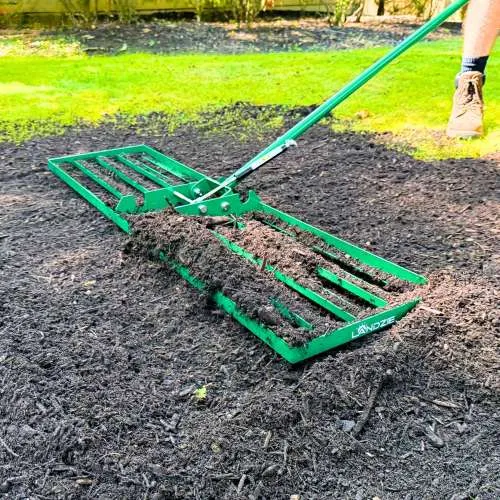
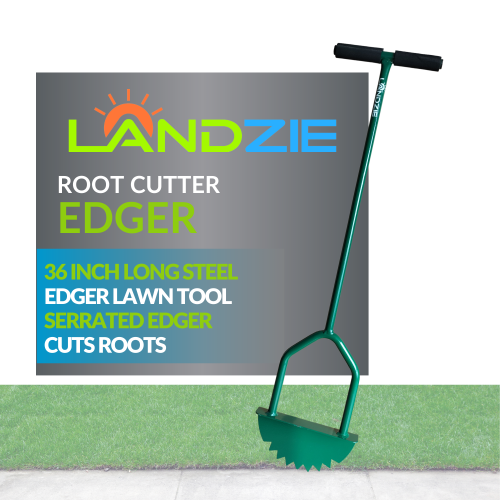

Lawn Mowing Tips: How to Achieve a Healthy, Green Lawn Year-Round
When people think about lawn care, fertilizing and watering often get the most attention. However, lawn mowing is one of the most important factors in maintaining a healthy, lush, and attractive lawn. Proper mowing [...]
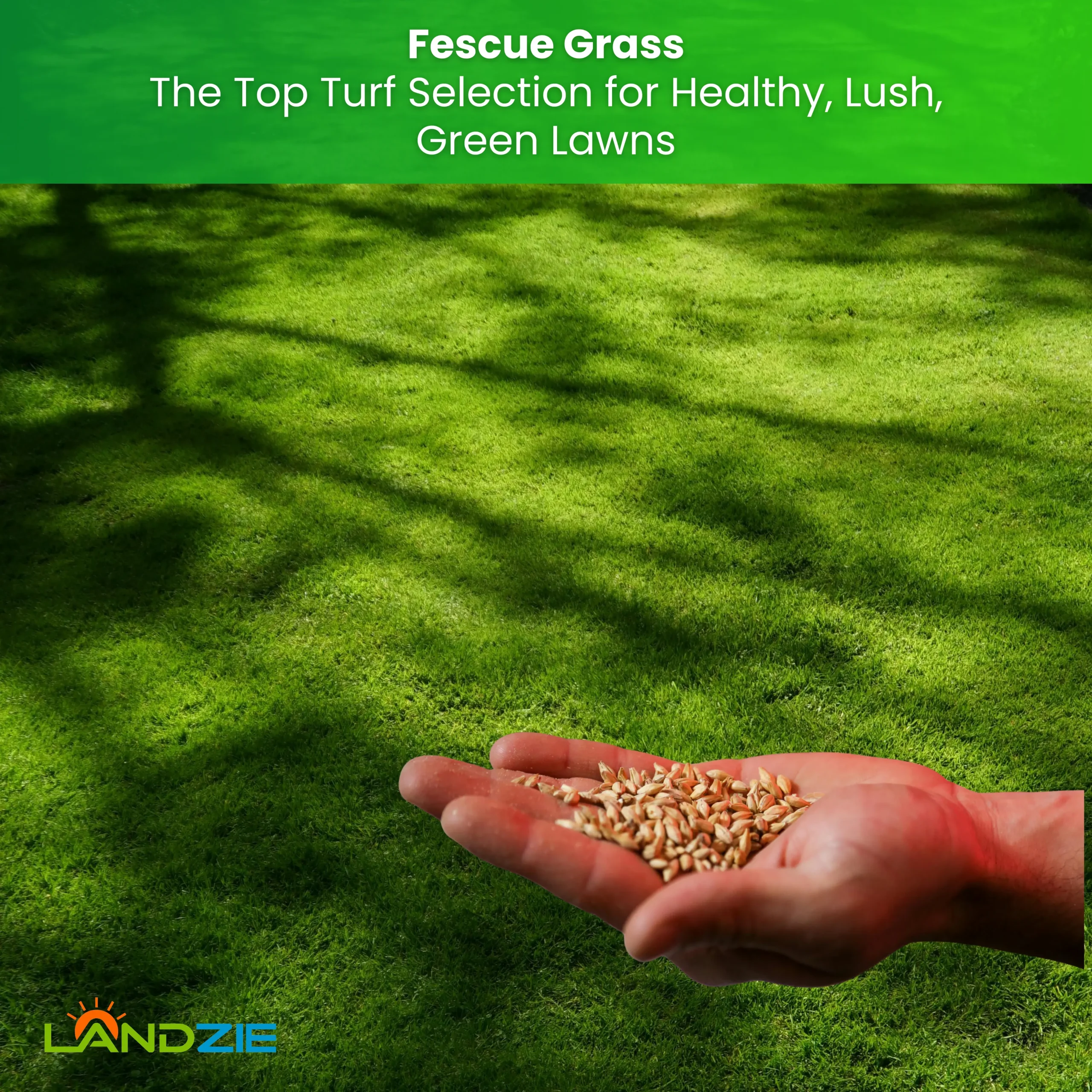
Fescue Grass: Why This Popular Turf Choice Creates Stunning, Year-Round Green Lawns
A beautiful lawn doesn't happen by accident. It takes the right grass type, proper care, and the right tools to create a landscape that stands out. Among the many turfgrass options available today, fescue [...]

Best Time to Plant Grass Seed for a Lush, Healthy Lawn Year-Round
Every homeowner dreams of a lush, green lawn that becomes the envy of the neighborhood. However, achieving that perfect carpet of grass starts with knowing the best time to plant grass seed. Planting at [...]
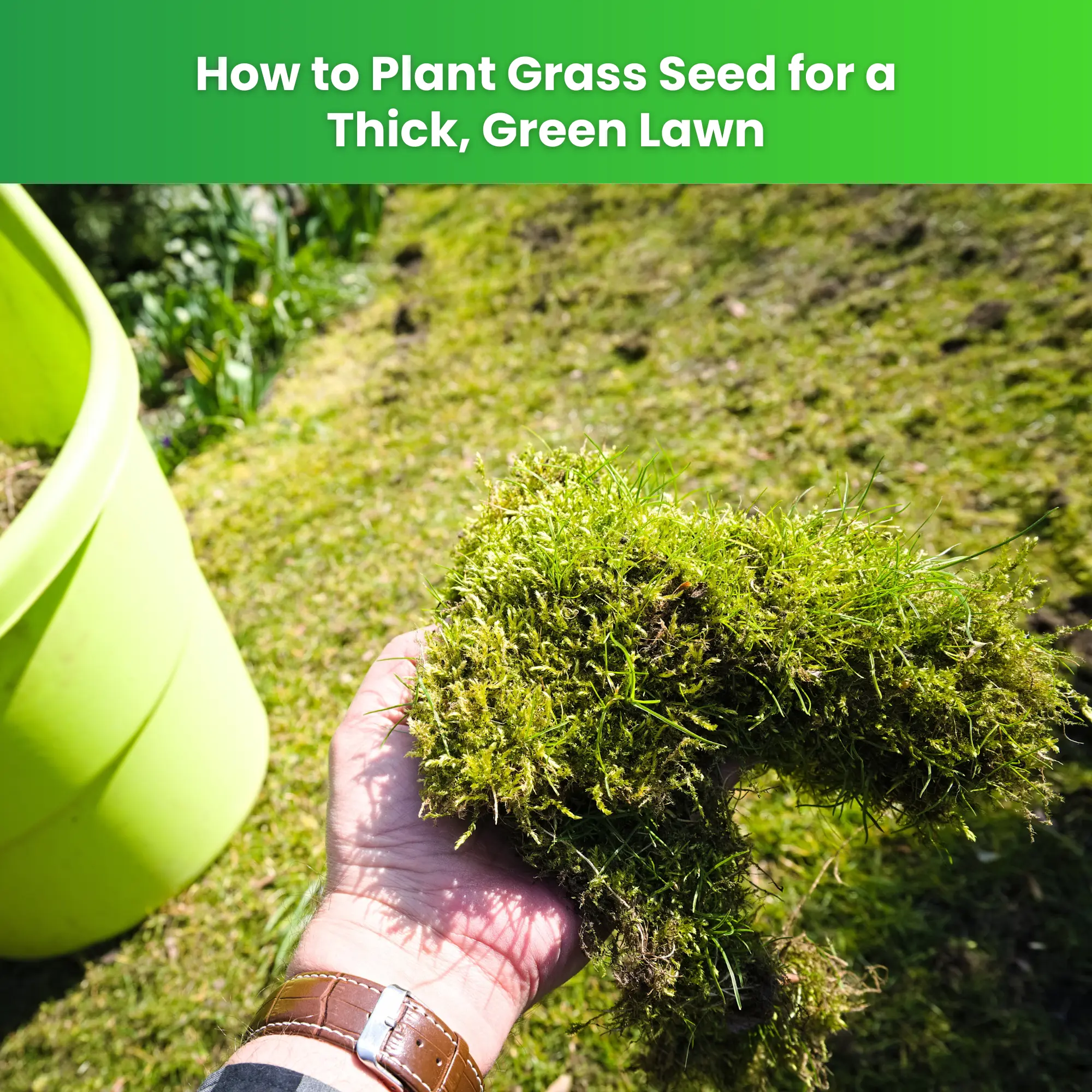
How to Plant Grass Seed for a Thick, Green Lawn
Learning how to plant grass seed properly is one of the easiest and most cost-effective ways to create a lush, green lawn. Whether you're starting a new lawn, repairing bare patches, or improving an [...]
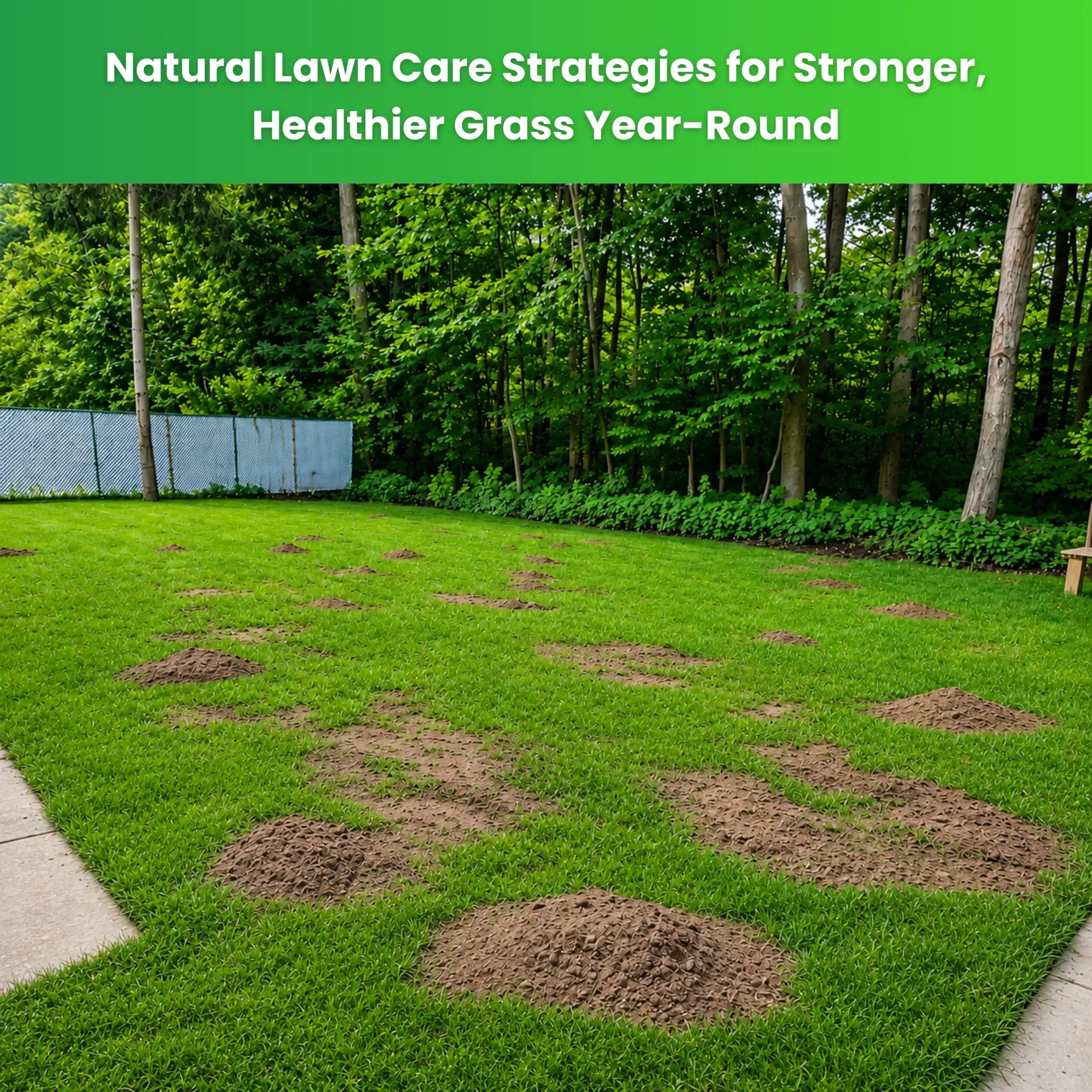
Natural Lawn Care Strategies for Stronger, Healthier Grass Year-Round
Why Natural Lawn Care Matters More Than Ever Natural lawn care tips are becoming the go-to approach for homeowners and golf course managers who want a healthier, greener lawn without relying heavily on harsh [...]
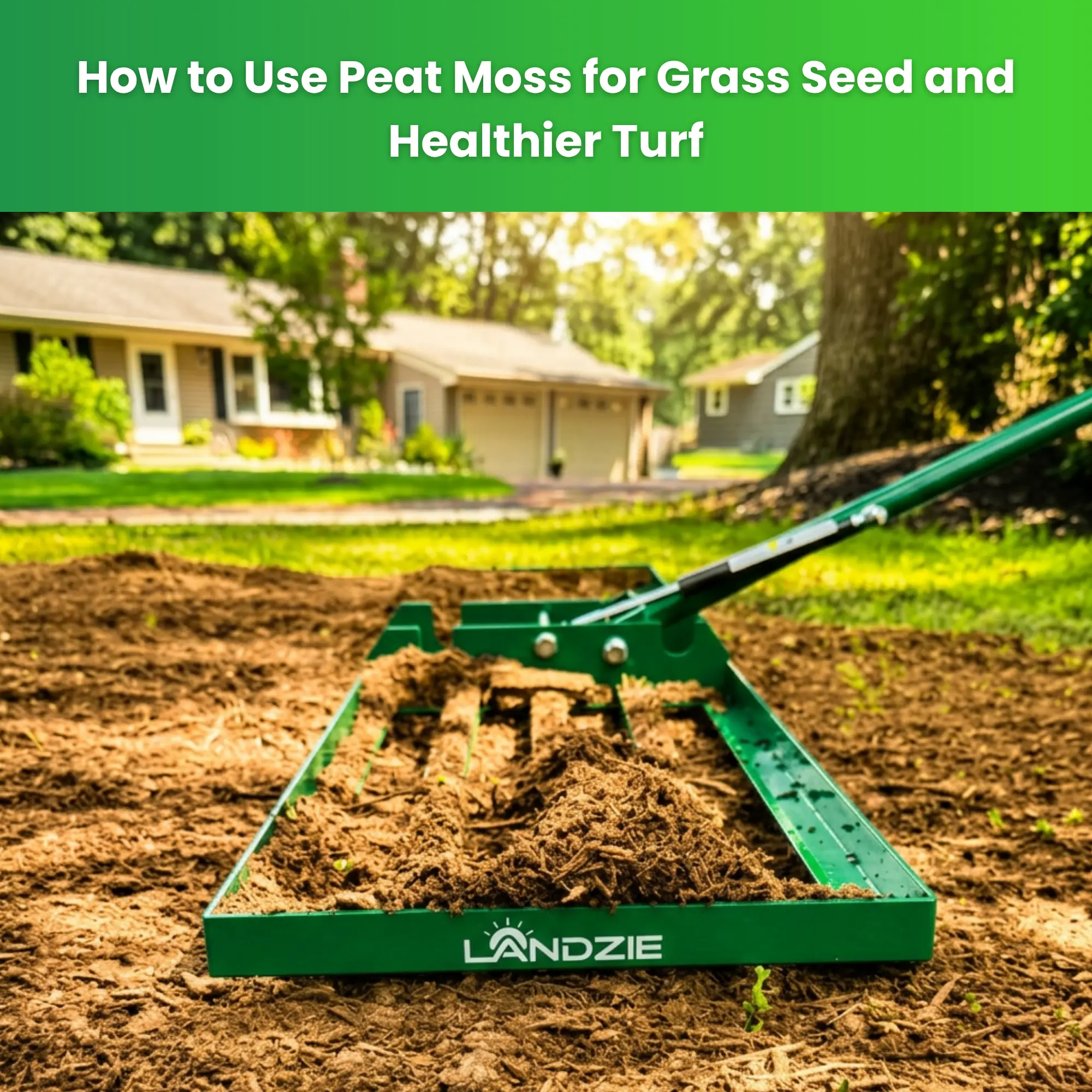
Peat Moss for Grass Seed and Healthier Turf
f you’ve been trying to grow grass but your seed keeps drying out, washing away, or sprouting unevenly, peat moss for grass seed might be the simple lawn care helper you’ve been missing. Sphagnum [...]