
If you want a lawn that feels soft under your feet, looks rich and green from the curb, and stands up well in warm weather, St Augustine grass care is worth learning. This popular warm-season grass is loved across the southern United States because it grows into a dense, carpet-like lawn when it is treated right.
But here’s the thing: St Augustine grass can look amazing, or it can quickly become thin, yellow, patchy, and full of weeds. The difference usually comes down to simple habits: watering deeply, mowing at the right height, feeding at the right time, improving compacted soil, and fixing bare spots before they spread.
The good news is you do not need to be a lawn expert to grow a healthier yard. With the right routine and the right tools, homeowners, golf property owners, and lawn lovers can make their turf stronger from the roots up.
St Augustine Grass Care Starts with the Right Watering Routine
Watering is one of the biggest parts of St Augustine grass care, but more water does not always mean a better lawn. In fact, overwatering can lead to shallow roots, disease problems, and thatch buildup. St Augustine grass usually does best when it gets deep, less frequent watering instead of light watering every day.
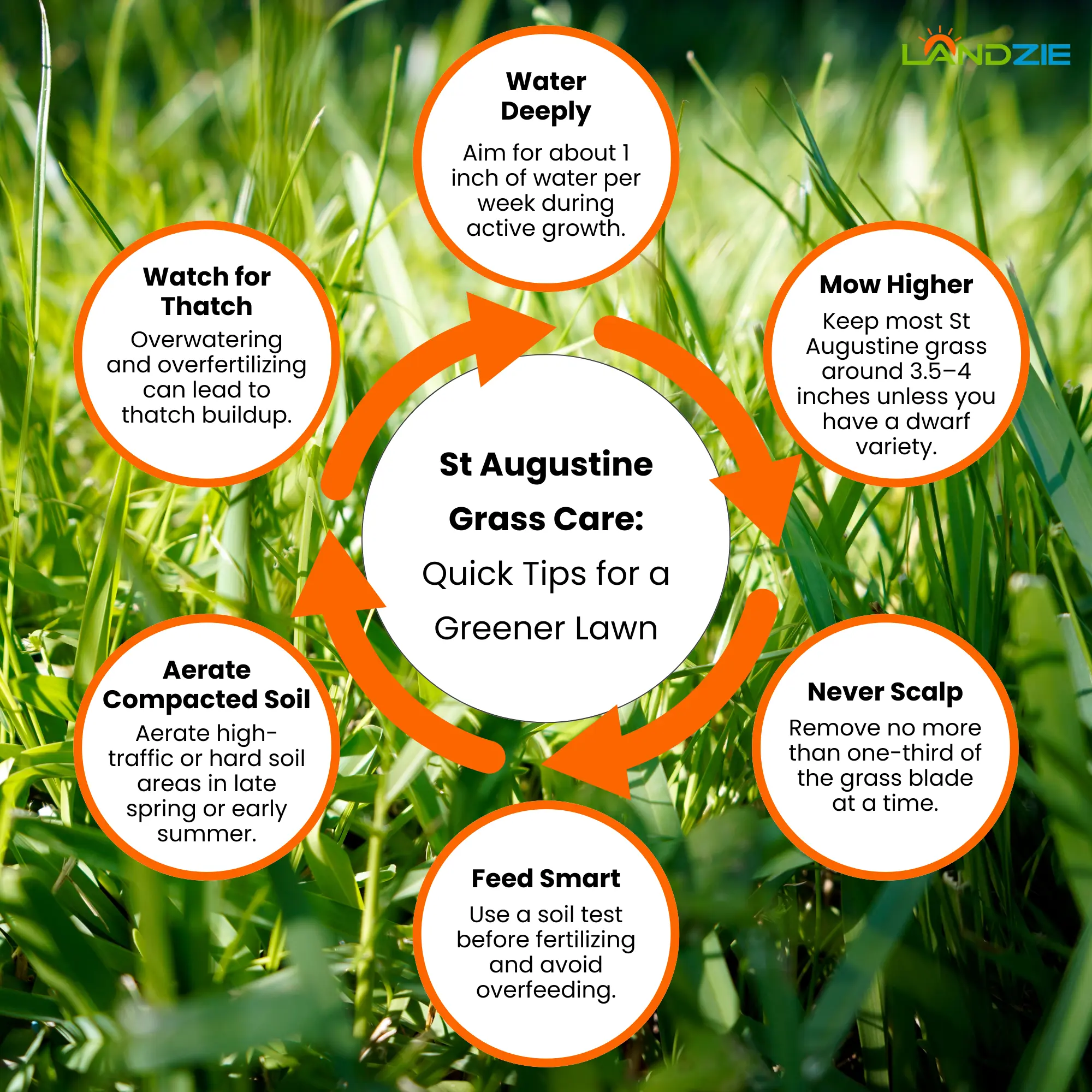
For actively growing St Augustinegrass, NC State Extension recommends about 1 inch of water per week from rainfall or irrigation, with sandy soils sometimes needing more frequent watering. Newly planted St Augustine sod or plugs need a different schedule. UF/IFAS recommends frequent short watering right after planting, then slowly reducing the schedule as the grass establishes.
A simple trick is to water early in the morning. This gives the lawn time to absorb moisture before the heat of the day while helping reduce long periods of wet leaf blades overnight.
Key Takeaways:
Water deeply, not constantly. Aim for about 1 inch weekly during active growth. New sod needs extra care at first.
Healthy St Augustine grass starts with smart watering. The goal is strong roots, not soggy soil.

About Landzie
We are a team of friendly and helpful professionals who are ready to answer your questions and help you find the products you need. If you enjoy impeccable quality standards and a wide assortment of products, then you will be glad you decided to shop with us. At Landzie, our customers and their happiness always come first.
St Augustine Grass Care Depends on Proper Mowing Height
One of the easiest ways to improve St Augustine grass care is to stop cutting the grass too short. St Augustine grass naturally grows with broad blades and above-ground runners called stolons, so it needs enough leaf surface to stay strong.
UF/IFAS notes that standard St Augustine cultivars should usually be mowed around 3.5 to 4 inches, while dwarf types are often kept lower, around 2 to 2.5 inches. They also recommend never removing more than one-third of the leaf blade at one mowing. NC State Extension also says a higher mowing height can improve tolerance to shade and drought stress.
For homeowners, this means your mower blade matters. A dull blade tears the grass instead of cutting it cleanly, leaving the lawn looking rough and stressed. Clemson Extension recommends mowing with a sharp blade and raising mowing height during heat or drought stress.
Key Takeaways:
Do not scalp St Augustine grass. Keep it taller, mow regularly, and use sharp blades.
Proper mowing helps St Augustine grass stay thick, shaded at the soil level, and better protected from stress.
Free shipping on all Landzie products to the contiguous US!
-
Sale!
 In stock
St Augustine Grass Care Needs Smart Feeding, Not Guesswork
Fertilizer can make a St Augustine lawn greener, thicker, and stronger—but only when used correctly. A common mistake in St Augustine grass care is feeding too much, too often, or at the wrong time.
A soil test is the best place to start because it tells you what your lawn actually needs. Clemson Extension recommends fertilizing and adjusting lime or sulfur based on a soil test, and notes that St Augustine grass grows best around a soil pH of 6 to 6.5. Clemson also states that St Augustinegrass lawns usually receive 2 to 4 pounds of actual nitrogen per 1,000 square feet per growing season.
The goal is steady growth, not a sudden flush of soft grass. Too much nitrogen can encourage thatch, disease, and extra mowing. If your lawn is pale but growing well, iron may help improve green color without pushing too much top growth.
For lawn tool companies, this is where education builds trust. Show customers that a beautiful lawn is not just about fertilizer—it is about soil, airflow, watering, mowing, and maintenance.
Key Takeaways:
Test soil first. Feed during active growth. Avoid overfertilizing.
A strong St Augustine lawn needs balanced nutrition, not random fertilizer applications.
The Landzie Guarantee
At Landzie, we take great pride in our craftsmanship, as our high-quality line of lawn care products is built to endure even the toughest of projects. We guarantee your complete satisfaction with your Landzie product and work rigorously to achieve that goal. Before anything, our customers come first. That being said, should you ever run into an issue, or find yourself anything less than 100% satisfied, please do not hesitate to contact us. We promise to make things right. The Landzie product guarantee ensures you buy with confidence!
St Augustine Grass Care Improves When Soil Can Breathe
If your lawn feels hard underfoot, water runs off instead of soaking in, or the grass looks thin in high-traffic areas, compacted soil may be the problem. Good St Augustine grass care is not only about what happens above the grass. It is also about what happens below it.
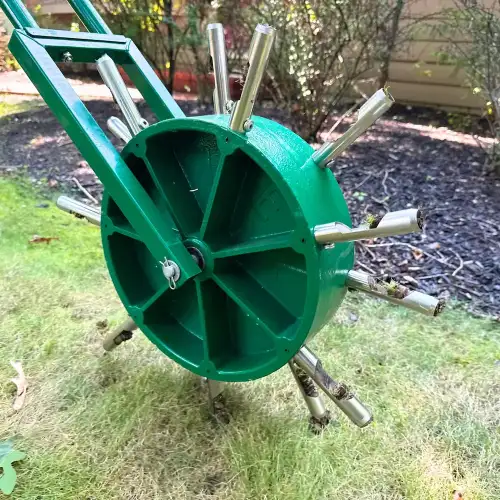
Compacted soil makes it harder for air, water, and nutrients to reach the roots. NC State Extension says heavy clay soils or heavily trafficked areas may benefit from aeration, especially in late spring or early summer when St Augustinegrass is actively growing and can recover.
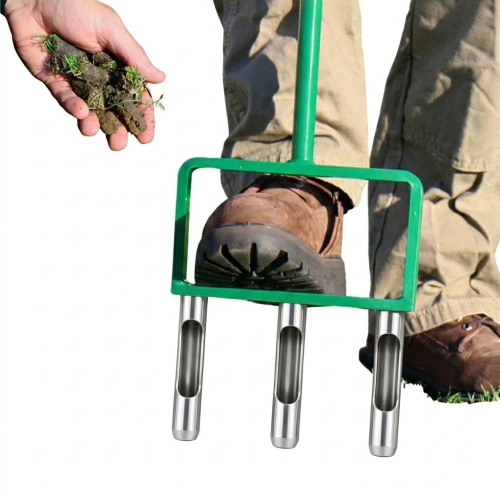
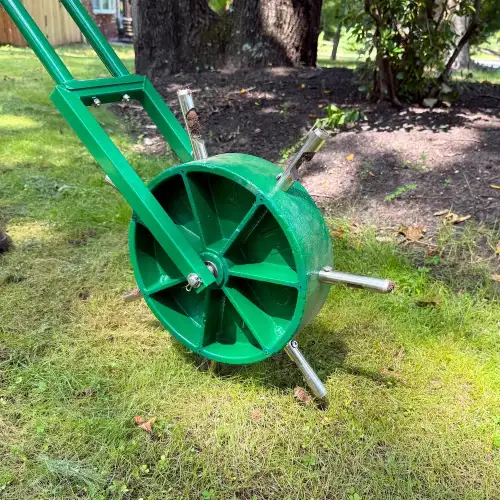
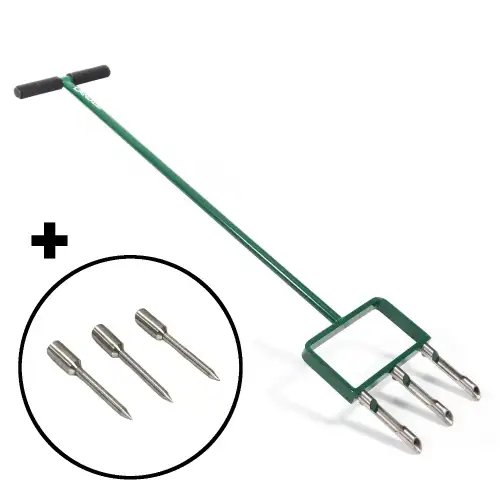
Aeration can help open the soil so roots can grow deeper. This is especially helpful for lawns used by kids, pets, golf carts, outdoor gatherings, or frequent mowing equipment. For St Augustine grass, timing matters because you want the lawn to be strong enough to heal.
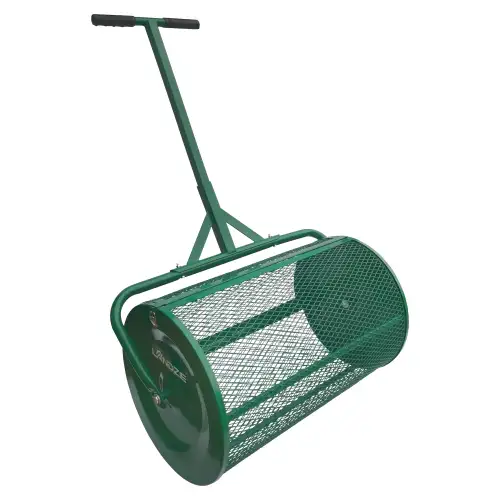
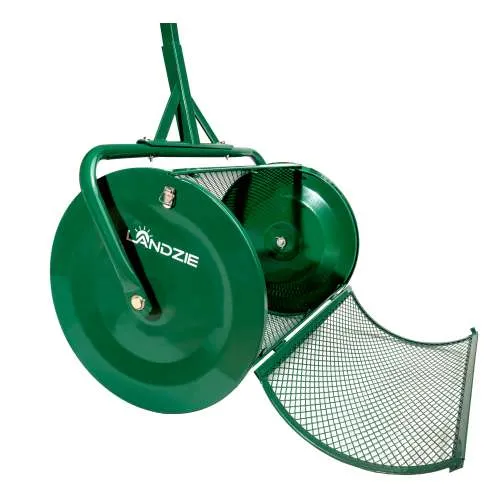
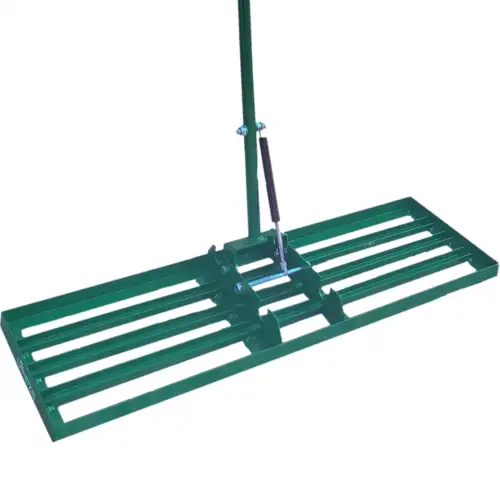
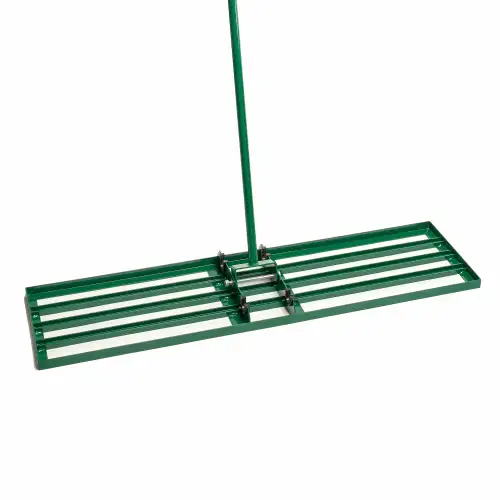
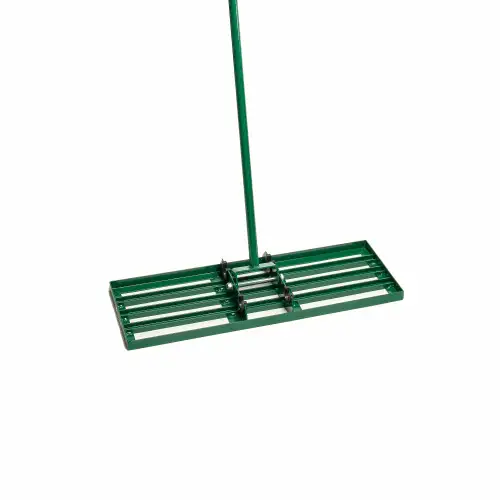
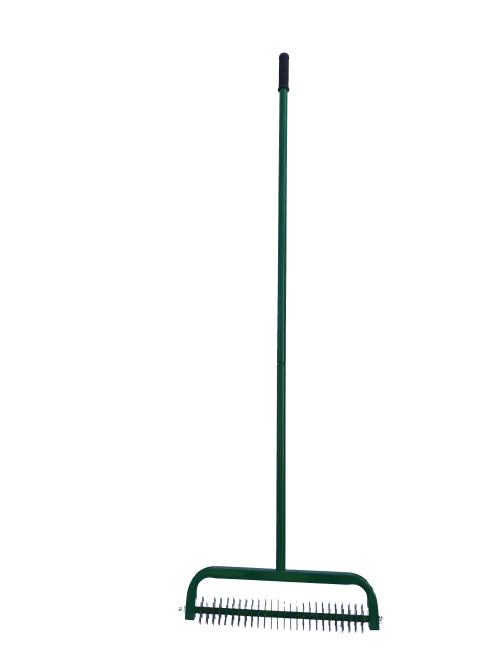
This is also where the right tool can save time and effort. A sturdy lawn aerator, leveling rake, or topdressing spreader can help homeowners work more efficiently and get better results without turning lawn care into a full-time job.
Key Takeaways:
Aerate compacted areas during active growth. Focus on high-traffic zones first.
Healthy soil creates healthier St Augustine grass. When roots can breathe, the lawn can grow thicker and stronger.
St Augustine Grass Care Includes Fixing Thatch, Bare Spots, and Patches Early
A thick lawn does not happen by accident. The best St Augustine grass care routines include checking for problems before they take over. Bare spots, brown patches, weeds, and spongy thatch are signs your lawn needs attention.
UF/IFAS explains that thatch is a layer of undecomposed stems, roots, and crowns mixed with soil, and it is often worse when grass is overwatered or overfertilized. They also note that excessive thatch can reduce water penetration and trap fertilizer or pesticides. NC State Extension warns that high fertilizer rates and overirrigation can cause thatch buildup, which can lead to disease and insect problems.
For bare areas, St Augustine is usually repaired with sod, plugs, or sprigs rather than seed. Once repaired, keep the area moist while it establishes, then return to a normal watering routine.
The faster you repair weak spots, the less room weeds have to move in. A dense lawn naturally helps shade the soil and compete against unwanted growth.
Key Takeaways:
Watch for thatch, brown spots, and thinning areas. Fix small problems before they spread.
A lush St Augustine lawn needs regular checkups. Small fixes now can prevent expensive repairs later.
Frequently Asked Questions
1. How do I make St Augustine grass thicker?
To make St Augustine grass thicker, mow at the right height, water deeply, fertilize based on soil needs, and repair bare spots with plugs or sod. Avoid scalping the lawn because short mowing weakens the grass and opens space for weeds.
2. How often should I water St Augustine grass?
During active growth, St Augustine grass generally needs about 1 inch of water per week from rain or irrigation. Sandy soil may need smaller amounts more often. Newly planted sod or plugs need more frequent watering until established.
3. Can St Augustine grass grow in shade?
Some St Augustine grass cultivars tolerate shade better than others, but dense shade can still cause thinning. UF/IFAS notes that cultivar choice matters because shade tolerance varies by type.

Expertly Designed Lawn Care Tools
The lawn of your dreams is now only a click away! Landzie is your go-to source for a lush, professional-looking green lawn this season. You can count on our compost spreader and all of the other lawn care tools and accessories we offer!
Save Time & Energy
Landzie tools are purposefully designed to make lawn care work easier and most of all, more enjoyable without compromising on quality.
The Landzie Guarantee
At Landzie, we take great pride in our craftsmanship. Our high-quality line of lawn care products is built to endure even the toughest of projects. We guarantee your complete satisfaction with every Landzie product and work rigorously to achieve that goal.
We Will Make It Right
But, we know sh*t happens. Should you ever run into an issue, please do not hesitate to contact us. We’re not grassholes, and we promise to make things right. The Landzie product guarantee ensures you buy with confidence!

High-quality lawn care products built to last.



Lawn Mowing Tips: How to Achieve a Healthy, Green Lawn Year-Round
When people think about lawn care, fertilizing and watering often get the most attention. However, lawn mowing is one of the most important factors in maintaining a healthy, lush, and attractive lawn. Proper mowing [...]

Fescue Grass: Why This Popular Turf Choice Creates Stunning, Year-Round Green Lawns
A beautiful lawn doesn't happen by accident. It takes the right grass type, proper care, and the right tools to create a landscape that stands out. Among the many turfgrass options available today, fescue [...]

Best Time to Plant Grass Seed for a Lush, Healthy Lawn Year-Round
Every homeowner dreams of a lush, green lawn that becomes the envy of the neighborhood. However, achieving that perfect carpet of grass starts with knowing the best time to plant grass seed. Planting at [...]
How to Plant Grass Seed for a Thick, Green Lawn
Learning how to plant grass seed properly is one of the easiest and most cost-effective ways to create a lush, green lawn. Whether you're starting a new lawn, repairing bare patches, or improving an [...]
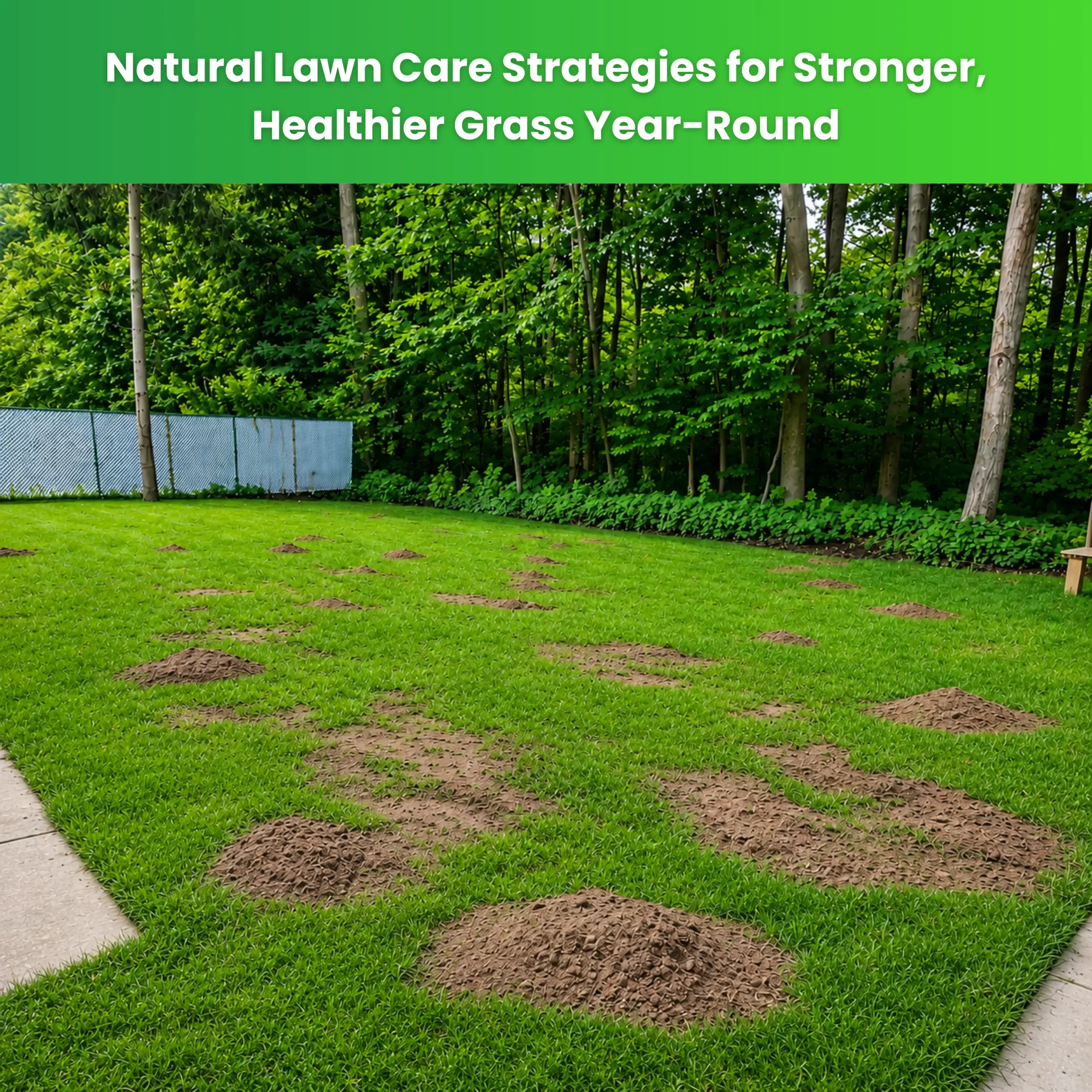
Natural Lawn Care Strategies for Stronger, Healthier Grass Year-Round
Why Natural Lawn Care Matters More Than Ever Natural lawn care tips are becoming the go-to approach for homeowners and golf course managers who want a healthier, greener lawn without relying heavily on harsh [...]
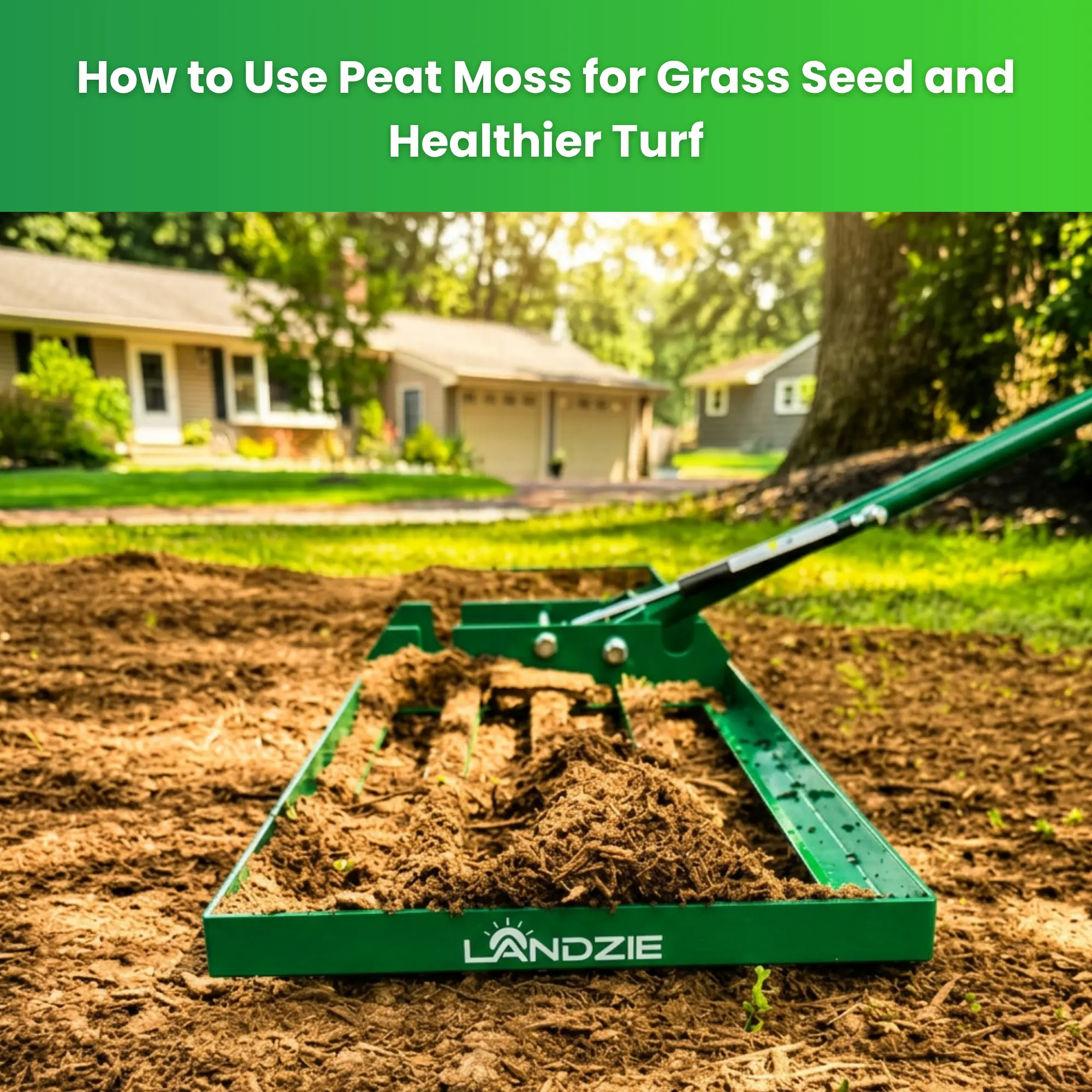
Peat Moss for Grass Seed and Healthier Turf
f you’ve been trying to grow grass but your seed keeps drying out, washing away, or sprouting unevenly, peat moss for grass seed might be the simple lawn care helper you’ve been missing. Sphagnum [...]